Latest research notes
-
2026-09-28
Redesigning the homepage, one version at a time
Three versions of the polarize.tech homepage and the one that shipped, from a post list in a sidebar to a white page with magenta buttons and specimen drawings: what each one tried, what was kept, and how the result became components in the design system.

- 2026-09-28 One question per study: laying out research across repositories Why the work here is split into studies, simulators and one shared research corpus, and scientific-research-scaffold, the small CLI that sets new repositories up in that shape and checks existing ones against it.
-
2026-09-25
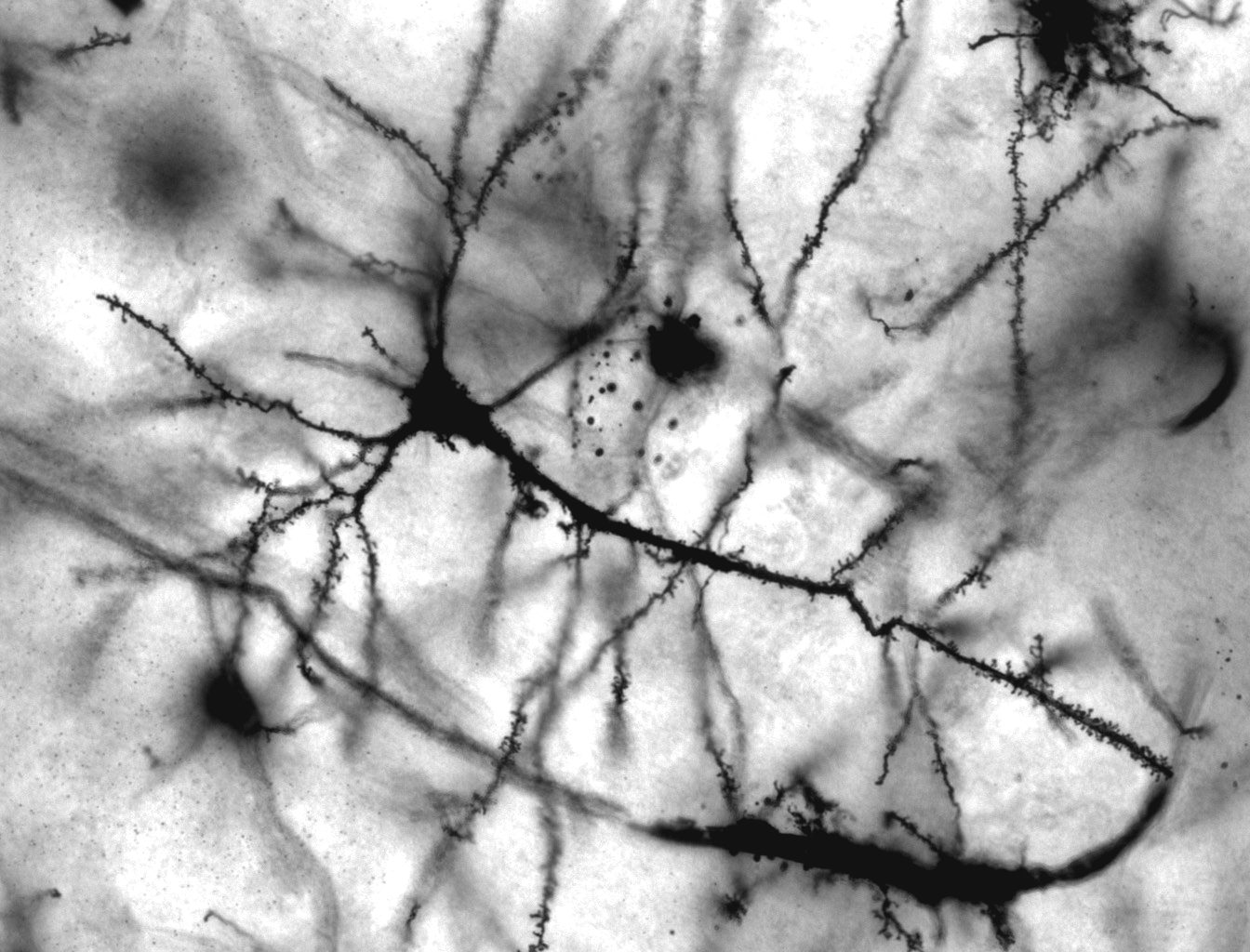
A spiking network built to lose: what it would and would not remember
A small, biologically grounded network was asked to store sounds and play them back. It could not. Along the way it showed which habituation mechanisms keep a stimulus-specific memory, and where a published single-cell model parts ways with the cell it describes.
-
2026-09-24
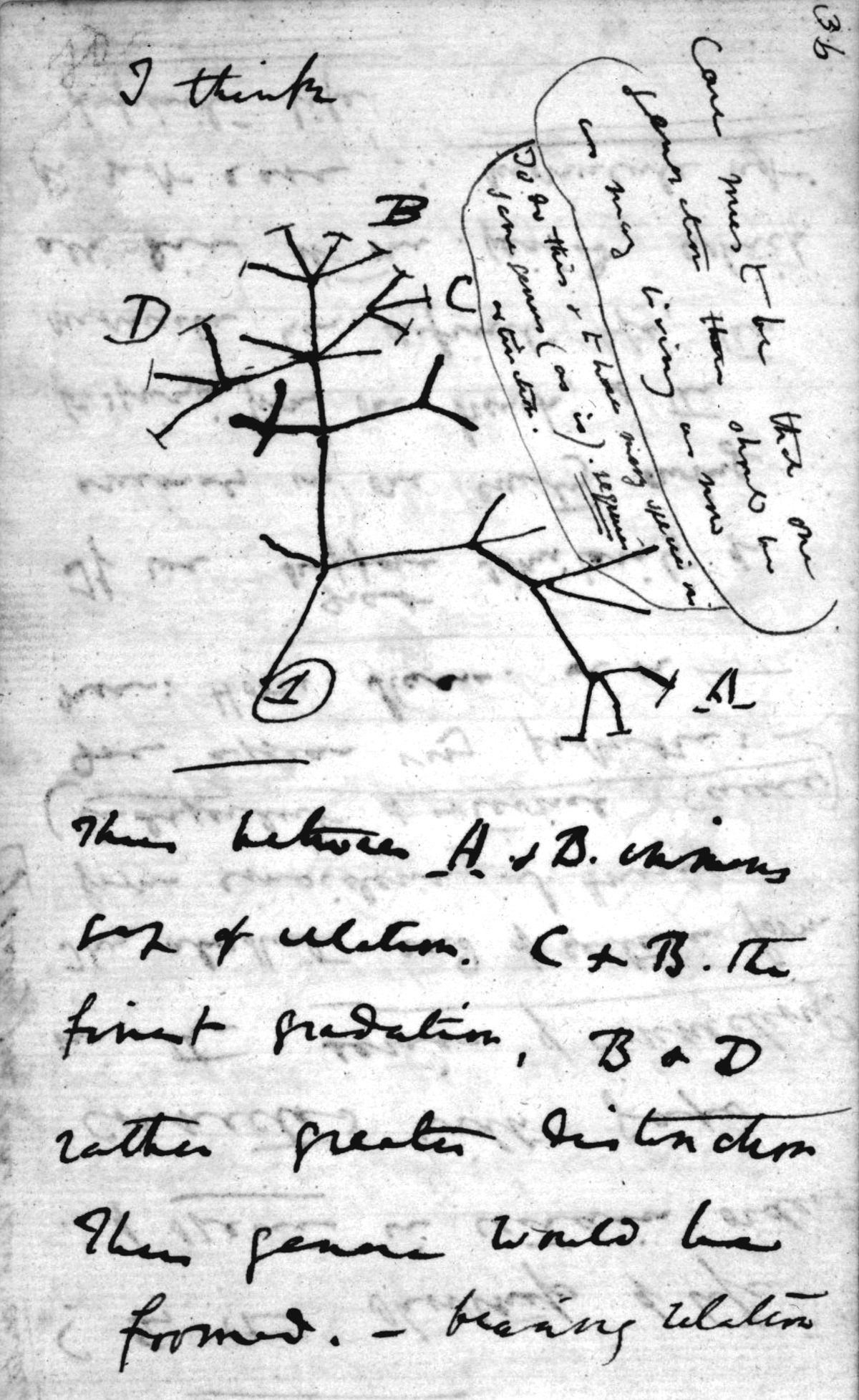
Adaptive preregistration: predict first, then run the code
A protocol for simulations and research software in which the predictions, the pass criteria and the environment are fixed in git before anything a report will cite is allowed to run.
- 2026-09-24 A RAG tool that keeps the model in check A short, evidence-first protocol for using retrieval-augmented generation without letting a language model turn an unsupported answer into a finding.
-
2026-09-16
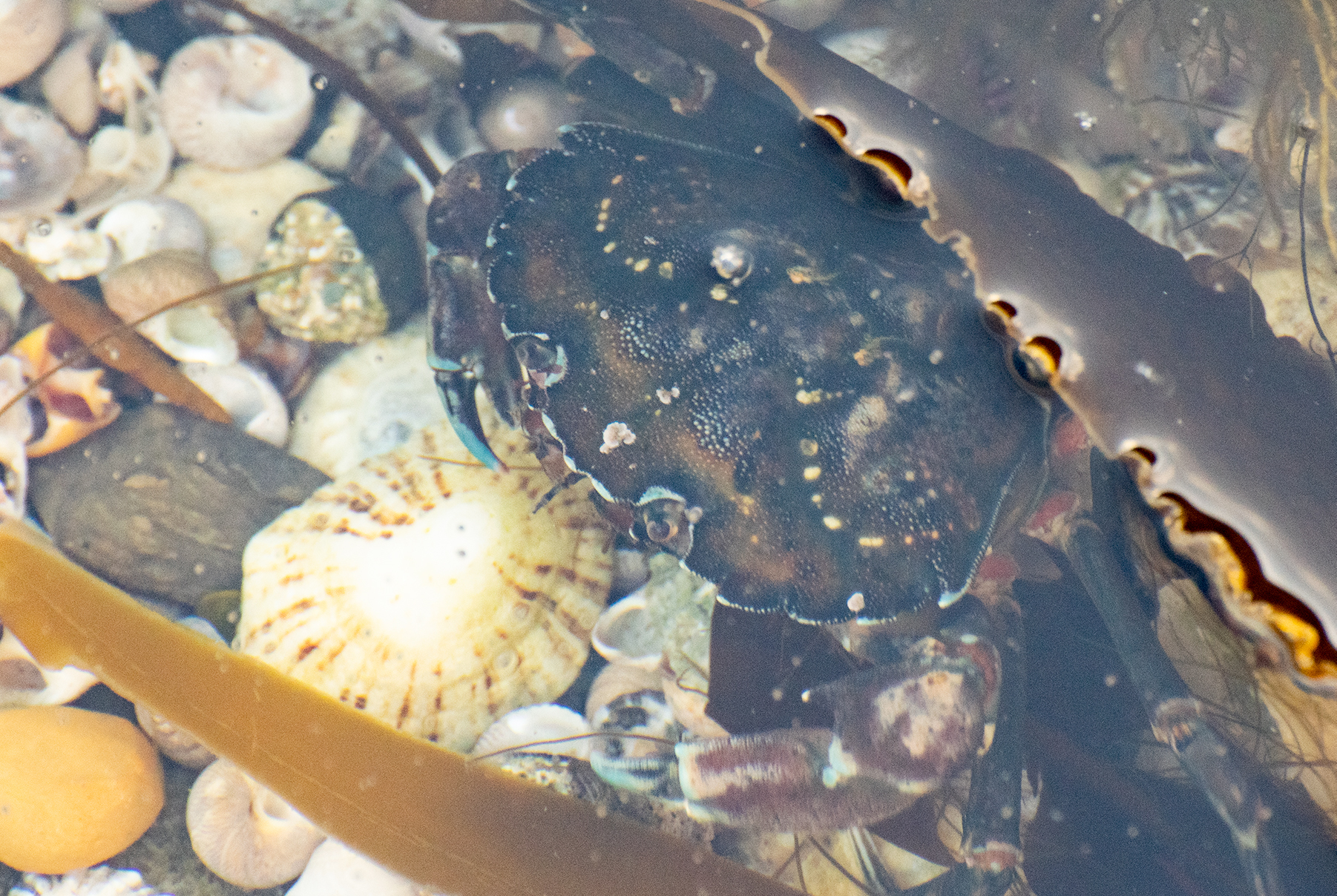
Twelve ways to catch a green crab
A screening exercise across sensory, biological and operational mechanisms for controlling an invasive crab — what each route would need to be true, what closed it, and the two that are still standing.
-
2026-09-15
A research assistant that keeps nothing
zdr-research-chat: a voice research assistant where the model, embeddings, speech-to-text and text-to-speech all run on one machine — how the zero-retention claim is checked, and the four places it deliberately is not true.

-
2026-09-12
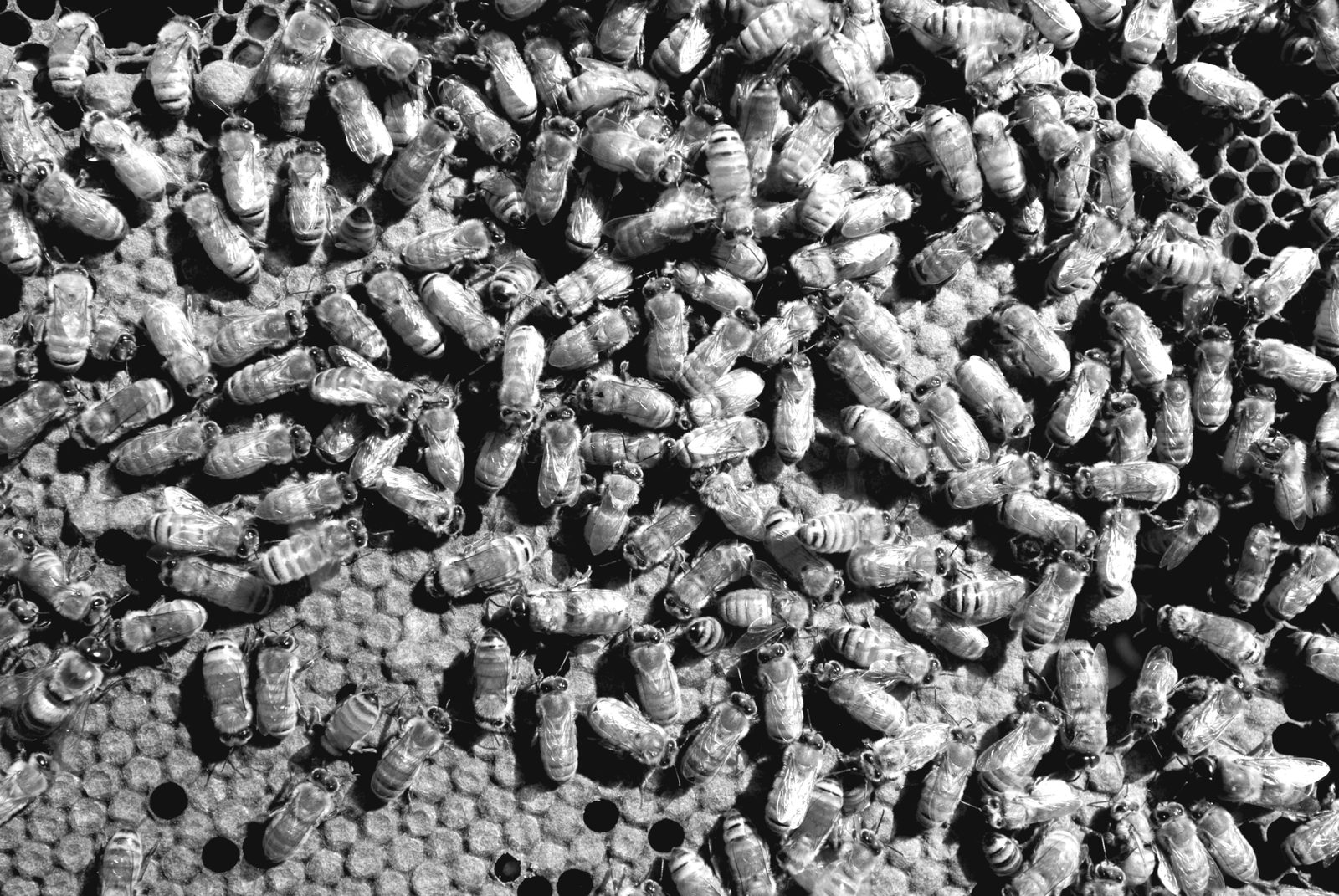
A hive and a cortex, described the same way
A honeybee colony choosing a nest and a cortical population choosing between two motions have carried the same formal description since 2009. What it covers, and where its own authors say it stops.
-
2026-09-06
Building a sensory screening tool for the European green crab
A calculator that answers what a green crab can detect, in what units, at what range — and refuses to answer where nobody has measured. What it found about mechanoreception, chemistry, electric and magnetic fields, and how the native crabs compare.
-
2026-09-01
"Frequencies" are just one piece of the puzzle
Building a list of every kind of information a biological signal is known to carry, and which structural feature of the wave carries it — then asking the same question of tides, seismic noise and the solar cycle.

-
2026-09-01
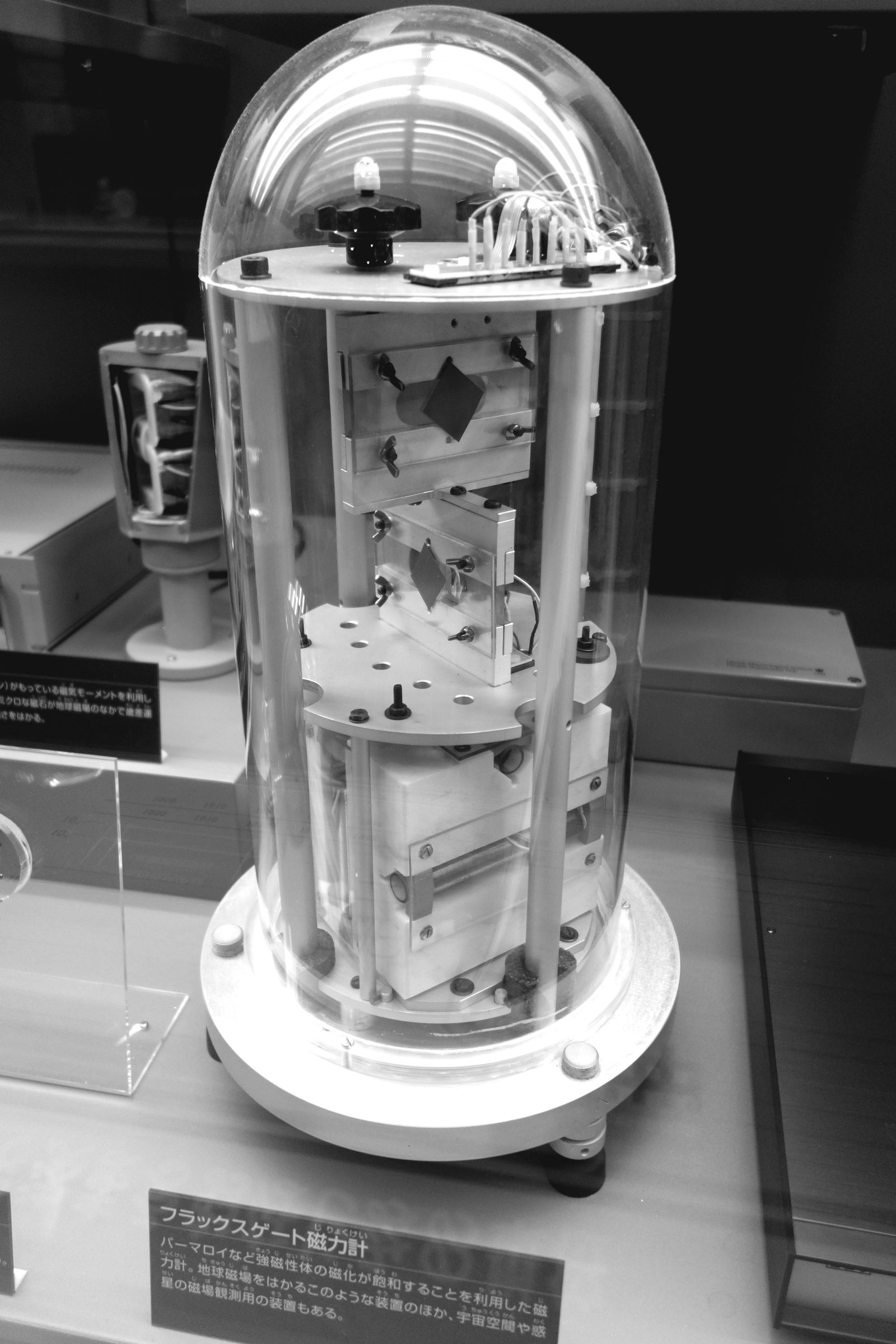
What software can and cannot buy you
Two months of trying to push a phone magnetometer past what its hardware should allow — what the discipline actually bought, how it compares to the other implementations, and the wall that no amount of code moves.
-
2026-08-31
What already reads the field
Sharks, bumblebees, spiders, electric fish, sediment bacteria and migratory birds all solve sensing problems this bench keeps re-deriving. A survey of the biological precedent — and one popular story about spider webs that is wrong.
-
2026-08-30
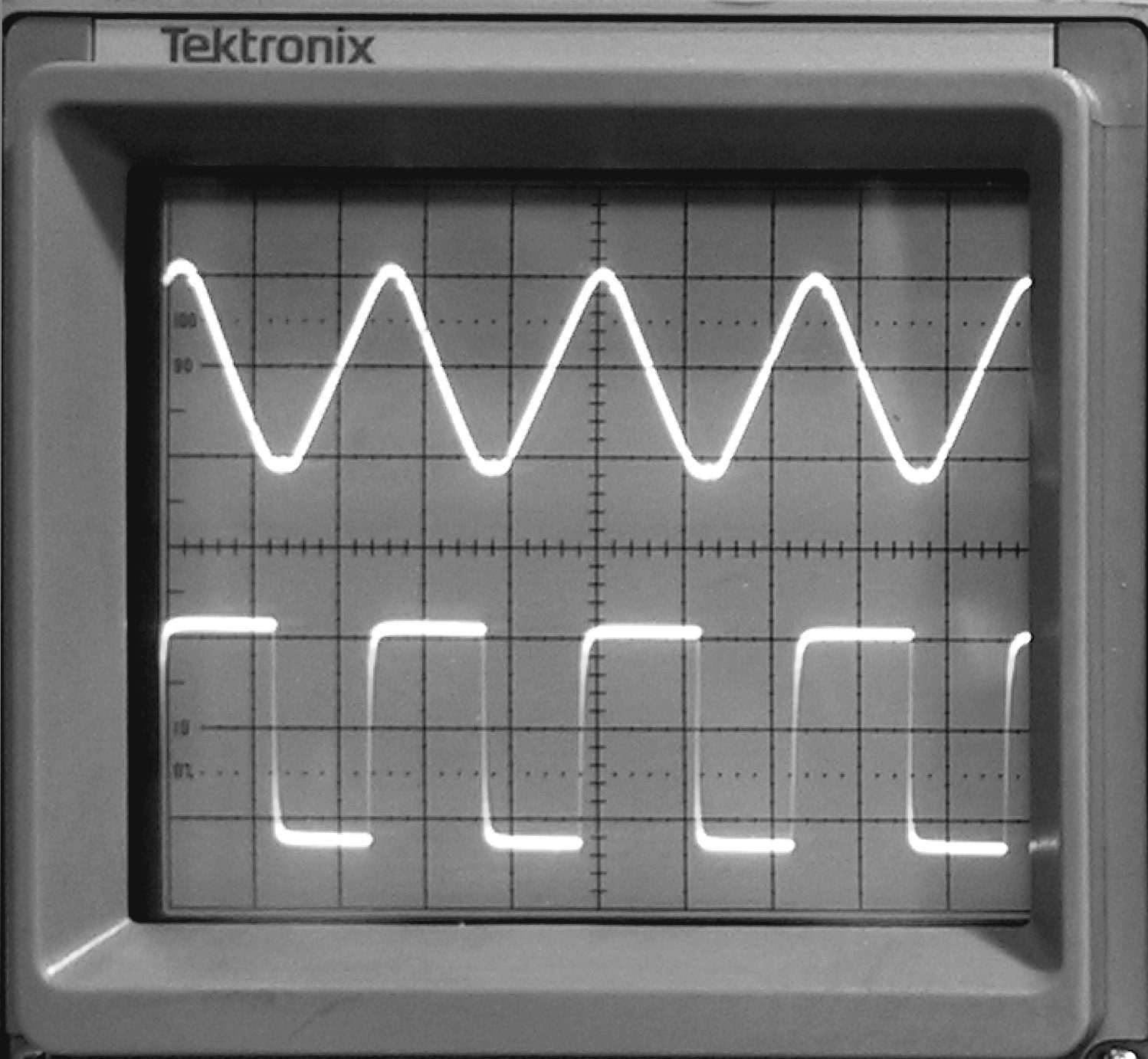
A computer science approach to neuroscience
How this work is done: build first and narrow later, write down what would kill a claim before measuring, and refuse to specialise. A method post — it makes no empirical claim and cites nothing, because there is nothing here to cite.
-
2026-08-27
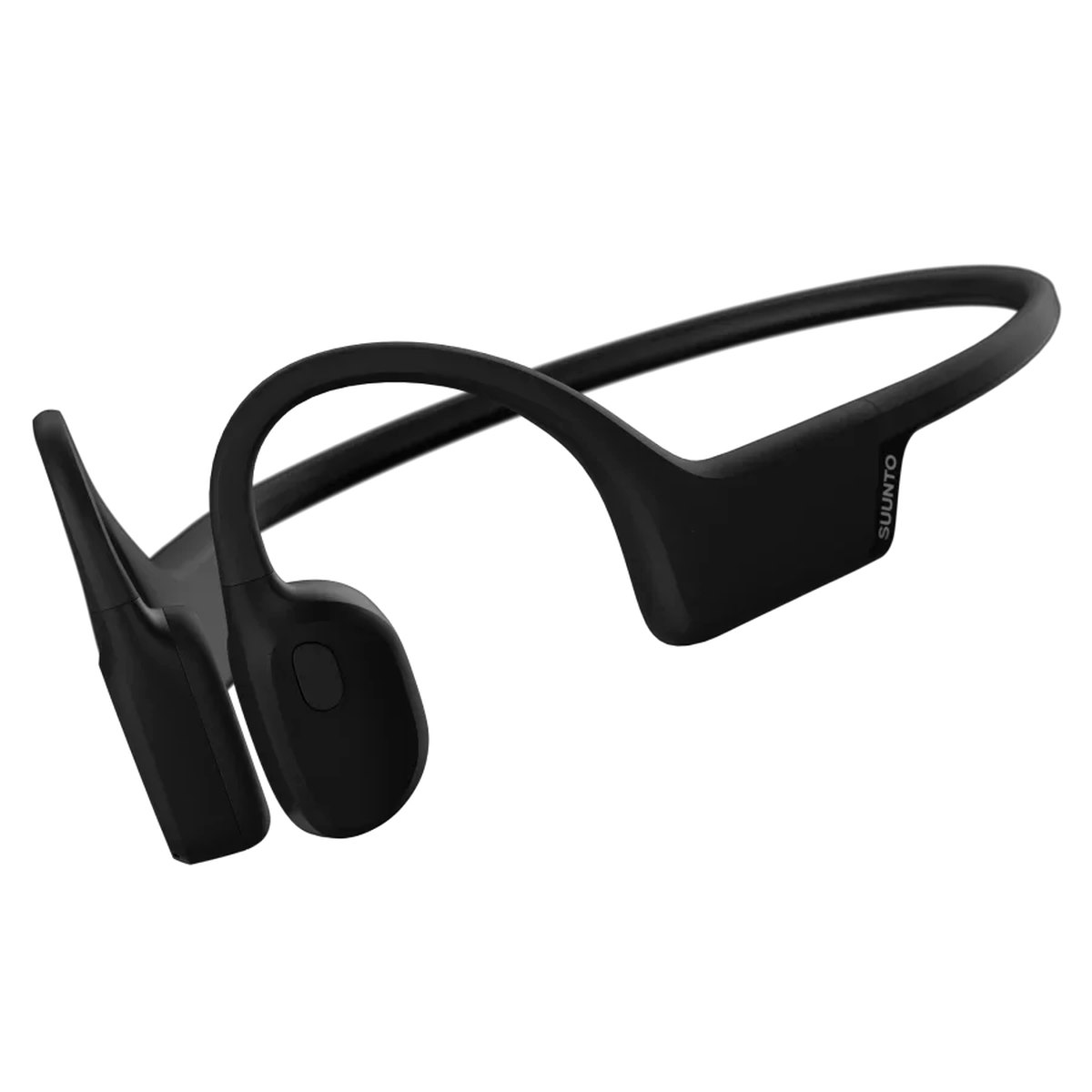
Gear: Suunto Sonic bone conduction headphones
Specs, a first impression, and the one property that decides which protocols can run on them at all.
-
2026-08-25
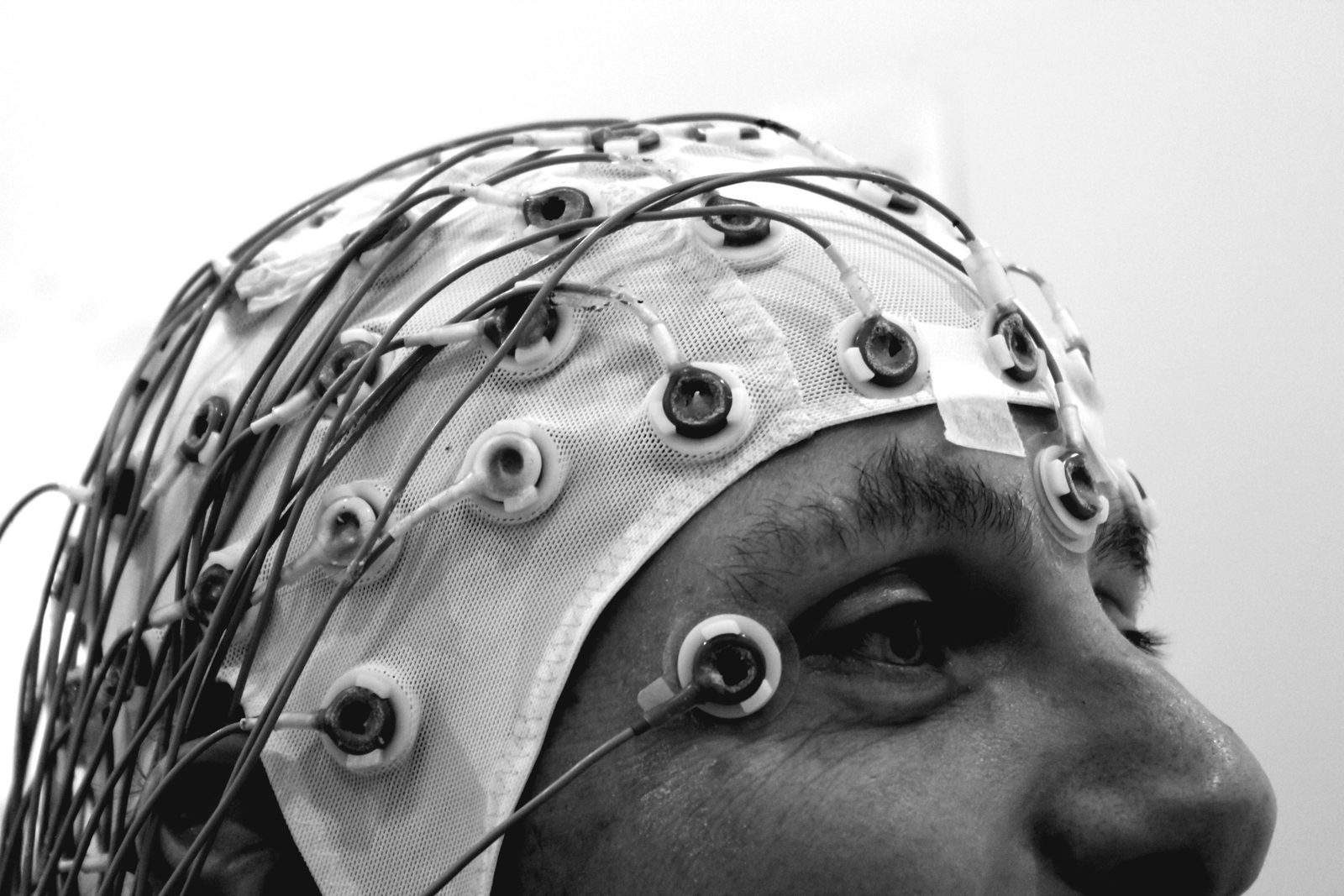
Can a $70 board tell me I'm wrong?
A single-channel EEG rig characterised in numbers: in-band 40 Hz power across six captures, why broadband RMS is the wrong figure to specify a rig by, and a proposed test of analog bandwidth as a validation axis.
-
2026-07-24
How research gets published here
The publishing protocol behind this site: a citation gate that makes an invented reference impossible, a confidence tier that is computed rather than claimed, and an honest account of what is written by a human and what is not.
No notes match these filters
Remove a filter, or clear them all to see every note.