A computer science approach to neuroscience
How this work is done: build first and narrow later, write down what would kill a claim before measuring, and refuse to specialise. A method post — it makes no empirical claim and cites nothing, because there is nothing here to cite.
- [A]

In short
The questions here are open — none of them has been settled on this bench, and most are not settled anywhere. What follows is the method: build first and narrow later, write down what would kill a claim before measuring it, and follow a question down through every layer rather than handing it off at each boundary. The distinction that took longest to get right is that a door closed for this bench is not a door closed in science.
Method. No empirical claim, no citations — there is nothing here to cite.
Almost everything on this site is an open question. None has been settled here, and most are not settled anywhere.
Build first, narrow later
First, anything goes. An idea need not be plausible, funded or peer-reviewed to be built. Absence of evidence is a reason to construct something. Traditional practice, fringe claims, “I want to hear what this sounds like” — all sufficient. A thing that turns out to be nothing costs a weekend. Never building it costs the ability to tell a bad idea from an untried one.
Then, narrow. Every built thing is aimed at a claim that could kill it, and the killing conditions are written down before the measurement.
- A viability gate runs before anything is built. Four questions, asked of the instrument actually owned: is the target inside the band the hardware passes; is the effect above a measured noise floor in a session a human would sit through; can the stimulus be produced, at what cost; is there a control isolating the claim. Any “no” stops the build. Bought expensively — an entire apparatus was written, then the gate computed, and the arithmetic that killed it was four lines.
- Kill conditions are pre-registered. A claim arrives with the results that would end it, fixed before data exists. A hypothesis whose death you cannot describe is not being tested.
- Blind reads are structural. Where judgement could leak, the answer is not reachable from the analysis: the truth lives in a file the reading code does not name, and the reveal refuses while any case is uncalled. “We were careful” is not a control.
- A negative is worth the test’s power. A non-detection from an instrument that could never have seen the effect is a gap in the instrument, not evidence of absence. Different words, never merged.
- Refusals live in code. A predicted value may not be styled as a measured one. A tier may not be argued upward.
What “narrowed” means, and does not
Nothing here has been falsified. No claim under test has been shown false about the world. What gets established is almost always about the apparatus.
| rung | meaning |
|---|---|
| untested | stated, with kill conditions. Nothing run. |
| instrumented | the rig exists and records; the decisive test has not run |
| flagged | forward arithmetic says this bench probably cannot reach it. A caution, not a verdict |
| parked | the bench provably cannot ask it with the hardware on the desk. The claim is untouched |
| attempted | a real measurement ran to completion. The claim survived, or the test was underpowered |
| falsified | shown false. Requires a measurement and a human decision. Currently: none |
A door closed for this bench is not a door closed in science. When a gate fails, the honest sentence is that the amplifier in front of me filters away what I wanted to read, and no processing downstream recovers it. That is a fact about a board. The question stays as open as it was.
Getting this backwards is the most common way a research programme lies to itself. An agent on this corpus once marked several claims falsified on forward arithmetic alone, with no measurement. The protocol now forbids it: arithmetic flags, it does not close.
So the useful output is rarely “this is false.” It is usually the number that says the instrument cannot reach it, what would change that, and what it would cost. That saves the next person the months, and nobody writes it down.
Full-stack, on purpose
A refusal to specialise, taken from software. A full-stack developer is not the strongest at any one layer; they can follow a problem down — interface, protocol, transport, hardware — without handing it off, because most real bugs live at the hand-offs.
One question here routinely crosses: neuroscience · cardiology and electrophysiology · audiology and psychoacoustics · molecular biology and gene regulation · developmental bioelectricity · acoustics and archaeoacoustics · geophysics and space weather · electromagnetics and propagation · signal processing · information theory · statistics and meta-research · materials science · and the history of the practices that got here first.
Not a list of interests — the layers one question passes through. Ask whether a sound can change what a cell transcribes and you are immediately in acoustics (what leaves the speaker), psychoacoustics (what the ear encodes), systems neuroscience (where it lands), electrophysiology (how it is measured), signal processing (whether the measurement is real), molecular biology (what a durable change looks like) and statistics (whether you would know). Hand it off at each boundary and the parts come back individually correct and jointly meaningless.
The cost: nobody working this way is the strongest person in any of those rooms. The compensation: the boundaries get looked at, and the boundaries are where the question lives.
What that produces
Open questions, narrowed carefully, with the reasoning and the arithmetic in public — and a clear line between what the world has not told us yet and what this bench cannot hear.
Version history 3 revisions
Generated from this site's git history. with Claude means the commit carries a co-author line for an Anthropic model: an LLM took part in that change, not necessarily in every word of it, and git cannot say which. The same history on GitHub →
-
v3 2026-09-12 07:54 posts: inline source cards, and every post cut to the point
---Method. No empirical claim, no citations — there is nothing here to cite.Almost everything on this site is an open question.Not one of themNone has been settled here, and mostof themare not settled anywhere.What this post describes is the method — how the questions get picked, built for, and narrowed. It asserts nothing about biology, so it cites nothing. Everything else here is held to a different standard, and the difference is the point.## Build first, narrow laterThe order matters, and it is the opposite of how caution usually works.**First, anything goes.** An ideaisneed notrequired tobe plausible, funded,or peer-reviewed, or even likely in orderto be built. Absence of evidence is a reason to construct something, not a reason to decline. Traditional practice, fringe claims, "I want to hear what this sounds like" — all sufficient.The cost of building aA thing that turns out to be nothingiscosts a weekend.The cost of neverNever building itis that you cannot tellcosts thedifferenceabilitybetweento tell a bad ideaandfrom an untried one.**Then, narrow.** Everyconstructedbuilt thing is aimed at a claim that could kill it, and the killing conditionsthat would kill itare written down **before** the measurement, not after.That machinery is unglamorous and it is most of the work:- A **viability gate** runs before anything is built, and asks four questions of the instrument you actually own rather than the one you wish you had. Is the thing you want to read even inside the band the hardware passes? Is the effect above a- **A viability gate** runs before anything is built. Four questions, asked of the instrument actually owned: is the target inside the band the hardware passes; is the effect above a *measured* noise floor,in a session a human would sit through?;Cancan the stimulus be produced,andat whatdoescost;it cost? Isis there a controlthat isolatesisolating the claimfrom everything else?. Any "no" stops the build.This rule was boughtBought expensively:— an entire apparatus wasoncewritten,and*then* the gatewascomputed, and the arithmetic that killedthe buildit was four lineslong.- **Kill conditions are pre-registered.** A claim arrives with thelist ofresults that would end it, fixed before data exists. A hypothesis whose death you cannot describethe death ofis not being tested.- **Blind reads are structural, not promised.** Whereajudgement could leak,the analysis is built sothe answer is not reachable fromitthe—analysis: the truth lives in a file the reading code does not name, and the reveal refuses while any case isstilluncalled. "We were careful" is not a control.- **A negative is worthexactly whatthe test's powerwas.** A non-detection from an instrument that could never have seen the effect isnot evidence of absence; it isa gap in the instrument, not evidence of absence.Those two get differentDifferent wordsand are, never merged.- **Refusals live in code.**Where a mistake would be invisible in prose, the software raises instead.A predicted value may not be styled as a measured one. Aconfidencetier may not be argued upward.## What "narrowed"actuallymeans—, andwhat itdoes notThis is worth being exact about, because the obvious reading is wrong.**Nothing here has been falsified.**Not oneNo claim under test has been shown false about the world. What gets established is almost alwayssomethingabout the *apparatus*.*apparatus* — and those are completely different statements.The ladder in use, roughly weakest to strongest:| rung |what it meansmeaning ||---|---|| **untested** | stated, with kill conditions. Nothinghas beenrun. || **instrumented** | the rig exists and records; the decisive test has notbeenrun || **flagged** | forward arithmetic says this bench probably cannot reachthe questionit. **Aflag is acaution, not a verdict** || **parked** | the bench provably cannot ask it with the hardware on the desk. **The claimitselfis untouched** || **attempted** | a real measurement ran to completion. The claim survived, or the testturned out to bewas underpowered || **falsified** | shown false. Requires a measurement,and a human decision. **Currently: none** |The distinction that took a while to get right:**aA door closed for this bench is not a door closed in science.** When a gate fails, the honest sentence is"that the amplifier in front of me filters awaythe thingwhat I wanted to read, and noamount ofprocessing downstream recovers it".—That is a fact about a$70board. Theunderlyingquestion staysexactlyas open as it was, and someone with better hardware should go ask it.Getting this backwardsis easy and itis the most common way a research programme lies to itself. An agentworkingon this corpus once marked several claims *falsified* on forward arithmetic alone, with no measurement. The protocol now forbids it: arithmetic flags, it does not close.*falsified* on forward arithmetic alone, with no measurement taken. The protocol now forbids it: arithmetic flags, it does not close, and the promotion to *falsified* needs a measurement and a person.So the useful output is rarely "this is false." It is usually:- here is the number that says this instrument cannot reach it,- here is precisely what would change that,- and here is what it would cost.That is worth publishing. It saves the next person the months, and it is the part nobody writes down.So the useful output is rarely "this is false." It is usually the number that says the instrument cannot reach it, what would change that, and what it would cost. That saves the next person the months, and nobody writes it down.## Full-stack, on purposeThe other half of the approach is aA refusal to specialise,and it comestaken from software. A full-stack developer is not thebest in the worldstrongest at any one layer.;They are someone whothey can follow a problem *down* —from theinterface,through theprotocol,into thetransport,to thehardware — without handing it offat every boundary, because most real bugs liveexactly whereat the hand-offshappen.Applied here, one question routinely crosses:One question here routinely crosses: **neuroscience**·**cardiology and electrophysiology**·**audiology and psychoacoustics**·**molecular biology and gene regulation**·**developmental bioelectricity**·**acoustics and archaeoacoustics**·**geophysics and space weather**·**electromagnetics and propagation**·**signal processing · information theory · statistics and meta-research · materials science · and the history of the practices that got here first.**·**information theory** · **statistics and meta-research** · **materials science** ·**and the history of the practices that got here first**Those are notNot a list of interests.They are— the layers one question passes through. Ask whether a sound can change what a cell transcribes,and you are immediately in acoustics (what leaves the speaker), psychoacoustics (what the ear encodes), systems neuroscience (where it lands), electrophysiology (how it is measured), signal processing (whether the measurement is real), molecular biology (what a durable changewould even looklooks like),and statistics (whether you would know). Handthat questionit off at each boundary and the parts come back individually correct and jointly meaningless.The costis real and worth stating: nobody working this way is the strongest person in anyoneof those rooms. The compensationis that: the boundaries get looked at, and the boundaries are wherethis particularthe question lives.## What that producesOpen questions, narrowed carefully, with the reasoning and the arithmetic in public — and a clear line between what the world has not told us yet and what this bench cannotcurrentlyhear.The posts that follow are those questions. -
v2 2026-09-03 15:17 site: images on every post, bigger thumbnails, CTA moves into the sidebar
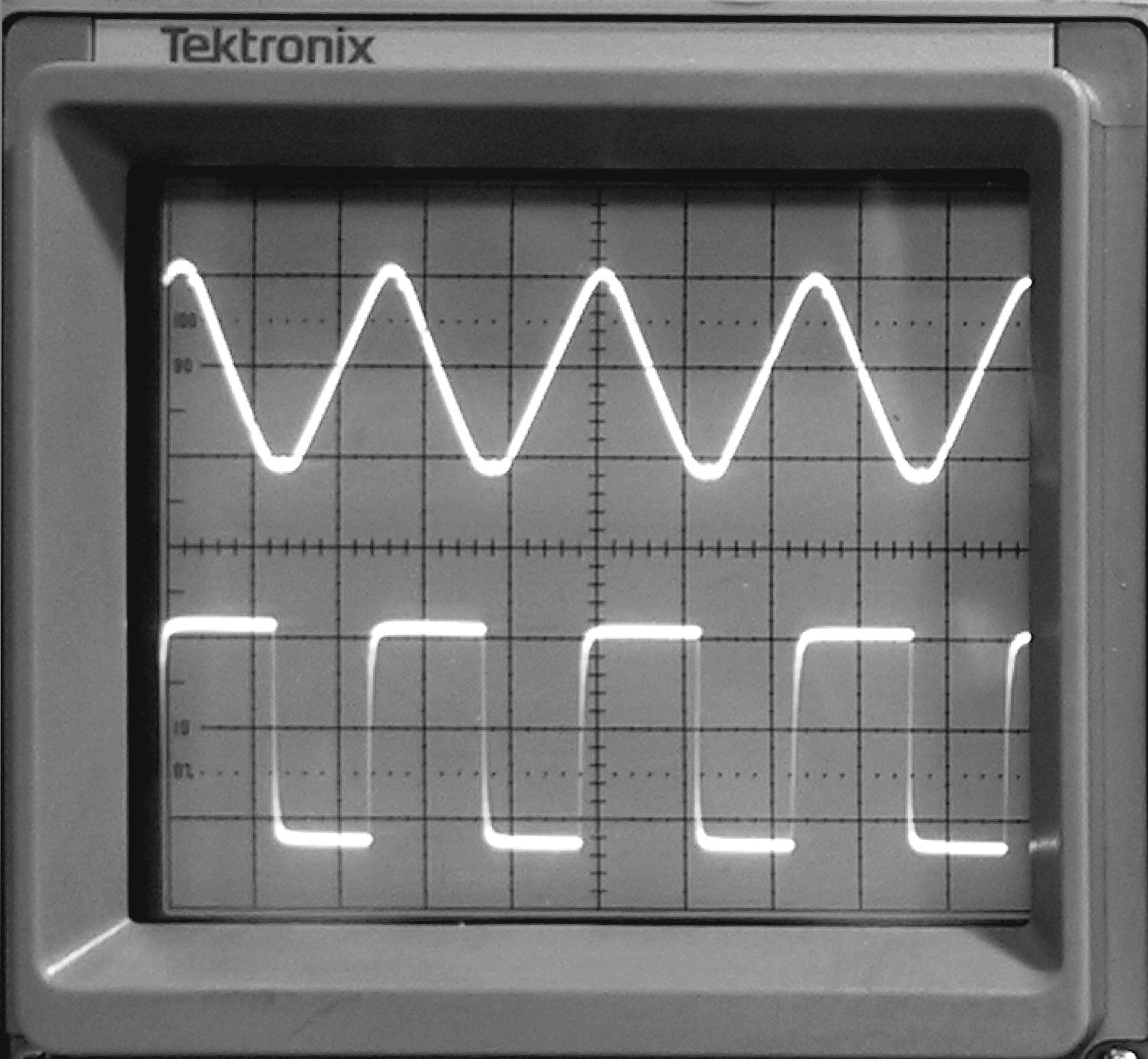
citations:image: /assets/posts/oscilloscope-waves.jpgimage_alt: >-An oscilloscope screen showing a triangular wave above a square wave against the instrument graticule.image_credit: Xatoimage_license: CC0image_license_url: https://creativecommons.org/publicdomain/zero/1.0/image_source_url: https://commons.wikimedia.org/wiki/File:Triangular_wave_and_square_wave_on_oscilloscope_screen.jpgsummary: >- -
v1 2026-08-31 15:57 site: adopt the monorepo design system, add two posts, publish the AI disclosure
v1: the original version, as first committed. Read it on GitHub →