Reading and writing the body electric.
An independent research lab building open instruments and software for bioelectric sensing — and publishing what they find, including when the answer is no.
Process
Built to show where we were wrong.
Every study borrows the discipline of a clinical trial: the inputs and the predictions are preregistered before anything runs, so a result can fail in public and stay on the record. These three repositories are how that works.
-
01Before anything runs
adaptive-preregistrationPython
Predict first, then run the code.
Predictions and pass criteria are written down and tagged in git before the code runs. The plan can change between stages, but every change is dated, says whether the result was already known, and can't turn a fail into a pass.
PREREG.mdDEVIATIONS.mdRESULTS.md-prereg tags Latest · Oct 13scope-status finds an app version at apps// Why and how we built it → Article -
02How a study is laid out
scientific-research-scaffoldPython
One question per study, and a check that it's kept.
A protocol for laying out studies and simulators across repositories, and a CLI that scaffolds new ones and checks existing ones against it — with the preregistration kit installed from the first commit.
STUDY.tomlapps/vN-*model-vX.Y.Z tagsscaffold check Latest · Oct 18Pin agents v0.4.0 (stricter designer) Why and how we built it → Article -
03What the literature says
retrieval-augmented-generationPython
Evidence first, so the model can't make it up.
Code controls search, evidence, verification and the run log; the model only fills in narrow forms. Every claim cites a verbatim passage, and claims that fail a check are removed and counted, not softened.
answer.mdrun.jsonverbatim quotesnull-result search Latest · Oct 13Document how to add a paid patent service for the pipeline alone Why and how we built it → Article
Failures stay on the record
A prediction that fails is reported as a fail. Mostly negative results are still results.
Every change to a plan is dated
Plans may change, but each change says whether the result was already known.
No claim without its source
Every claim cites a verbatim passage; claims that fail a check are removed and counted.
Then the publication gate: every citation machine-fetched, every claim tiered, every revision kept. How research gets published here →
Projects
What we're building, in the open.
Every project is a public repository — its plans, code and raw outputs. Each one gets written up when it has something to report, including when the answer is no.
Can a network of neurons hold on to a sound?
Falsification benches for how a memory of a sound could be held in neural tissue: spiking-network and habituation models, with preregistered experiments. Mostly negative results.
In simulation, synaptic depletion never kept a sound-specific memory, and only plasticity gated by the receiving cell did. A published receptor model drained untrained responses under a protein-synthesis block, where the real cell does not.
Read: A spiking network built to lose: what it would and would not remember →Latest changes
- Oct 2#9E03-synthesis-block: can the receptor model hold Rajan 2026's synthesis-block results?
- Sep 25#8singlecell: labile recycling factor and k_deg_scale switches (default = published), reusable R1-R8 gate
- Sep 25#7model-v0.3.0: single-cell habituation (Stentor) in a peer-reviewed simulator
What can a $70 amplifier actually hear?
EEG/ECG/EMG with an Arduino + Olimex SHIELD-EKG/EMG: firmware, bridge, recording workbench, playback, BIDS export
A single-channel EEG rig characterised in numbers: in-band 40 Hz power across six captures, why broadband RMS is the wrong figure to specify a rig by, and a proposed test of analog bandwidth as a validation axis.
Read: Can a $70 board tell me I'm wrong? →Latest changes
- Oct 2#2Fix spectrum(): summarise every bin in each display bucket
- Oct 2#1Docs site, generated by automatic-documentation-site
Changelog
Recently merged.
Every merged change to a public repository, as it lands. The work moves in small, reviewable steps.
Full changelog →- Oct 18 scientific-research-scaffold PR #3 Pin agents v0.4.0 (stricter designer)
- Oct 18 polarize-ui PR #5 Add reusable 3D node-link network view
- Oct 18 scientific-research-agents PR #1 Add sensory experts and standardize agent workflows
- Oct 15 polarize-ui PR #4 feat!: remove the cell field; the homepage story is the shipped page
- Oct 15 polarize-ui PR #3 feat: fieldguide theme — white, magenta, Geist
- Oct 13 retrieval-augmented-generation PR #9 Document how to add a paid patent service for the pipeline alone
- Oct 13 retrieval-augmented-generation PR #8 Patents companion: short queries, a fallback for empty ones, room for recent patents
- Oct 13 retrieval-augmented-generation PR #7 Patents companion: list an invention once, with its other publications
Findings
What the work turned up.
Articles written from the repositories: the question, what was tried, and what the result can and cannot support.
All 16 articles →Audio-evoked potentials
Whether a designed acoustic protocol can put a specified structure into a recorded evoked response — and what a $70 amplifier can and cannot hear.
Read the posts →Bioelectromagnetic propagation
What carries a biological signal out of a body and through the world — and what it takes to read it once it is out there.
Read the posts →Biosignal translation
Reading structure out of a waveform without assuming what produced it — and the published parallels between collective and neural decision-making.
Read the posts →Invasive species & bioelectricity
What a European green crab can and cannot sense, computed where the numbers exist and refused where they do not — and how the native Pacific crabs compare.
Read the posts →Method
How the work is done: build first and narrow later, kill conditions written before the measurement, and the difference between a closed door and a closed question.
Read the posts →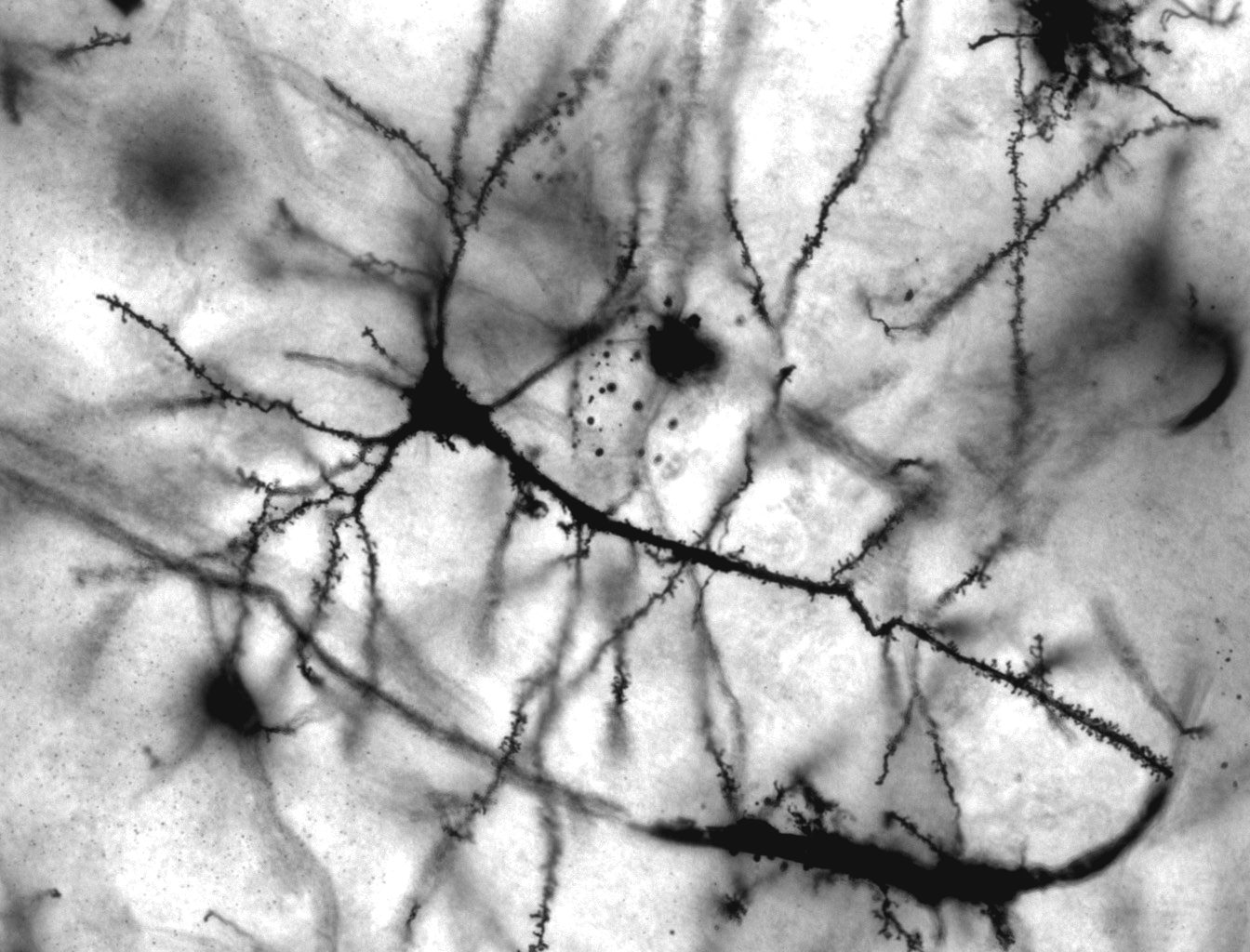
A spiking network built to lose: what it would and would not remember
In simulation, synaptic depletion never kept a sound-specific memory, and only plasticity gated by the receiving cell did. A published receptor model drained untrained responses under a protein-synthesis block, where the real cell does not.
4 sourcesRead the article →“A study is one question and everything used to pursue it. Its findings live in one shared corpus, its predictions are tagged before anything runs, and...”
One question per study: laying out research across repositories Why the work here is split into studies, simulators and one shared research corpus, and scientific-research-scaffold, the small CLI that sets new repositories up in that shape and checks existing ones against it.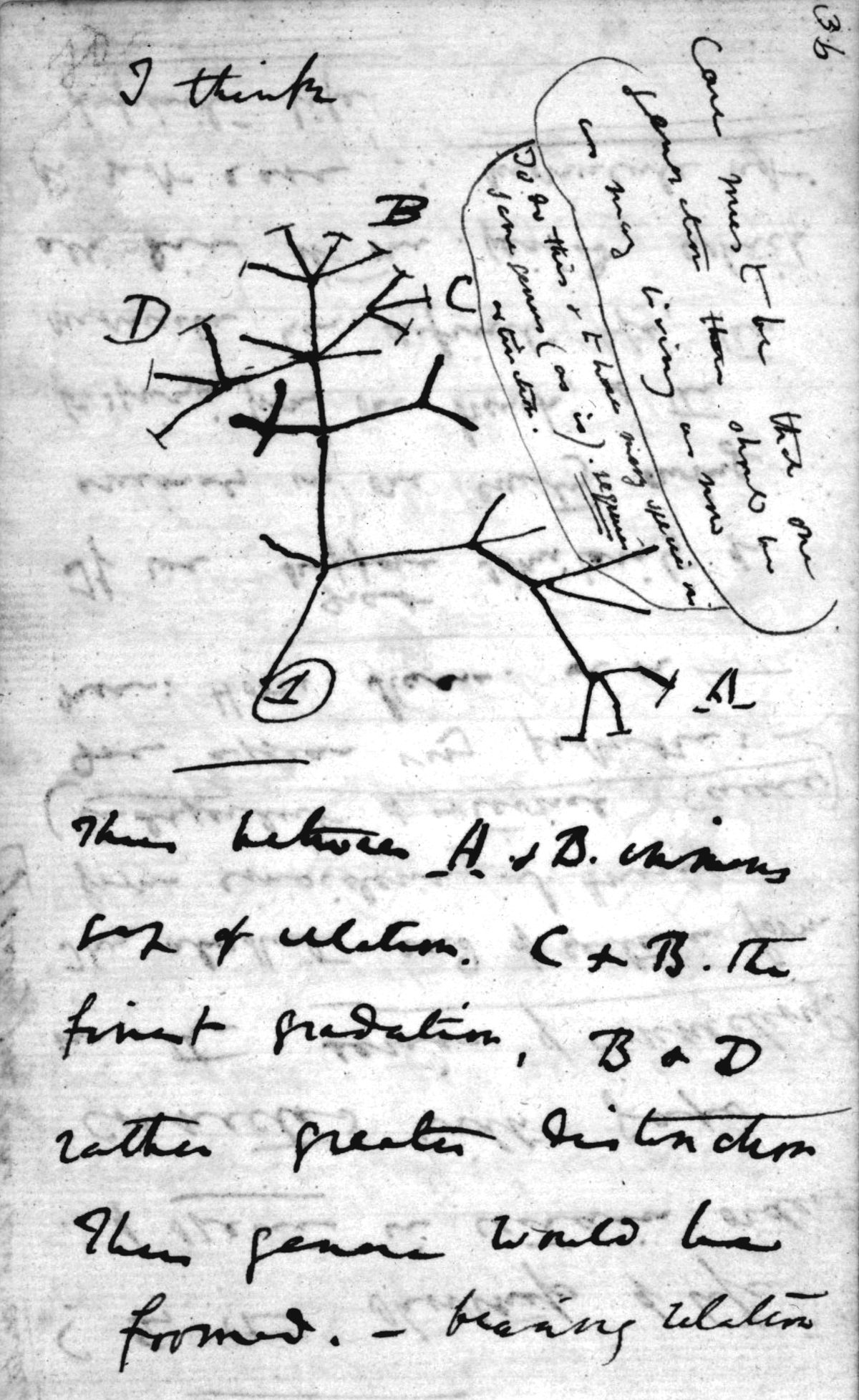
“The model is used for bounded transformations, while code controls search, evidence, verification, abstention and the run log.”
A RAG tool that keeps the model in check A short, evidence-first protocol for using retrieval-augmented generation without letting a language model turn an unsupported answer into a finding.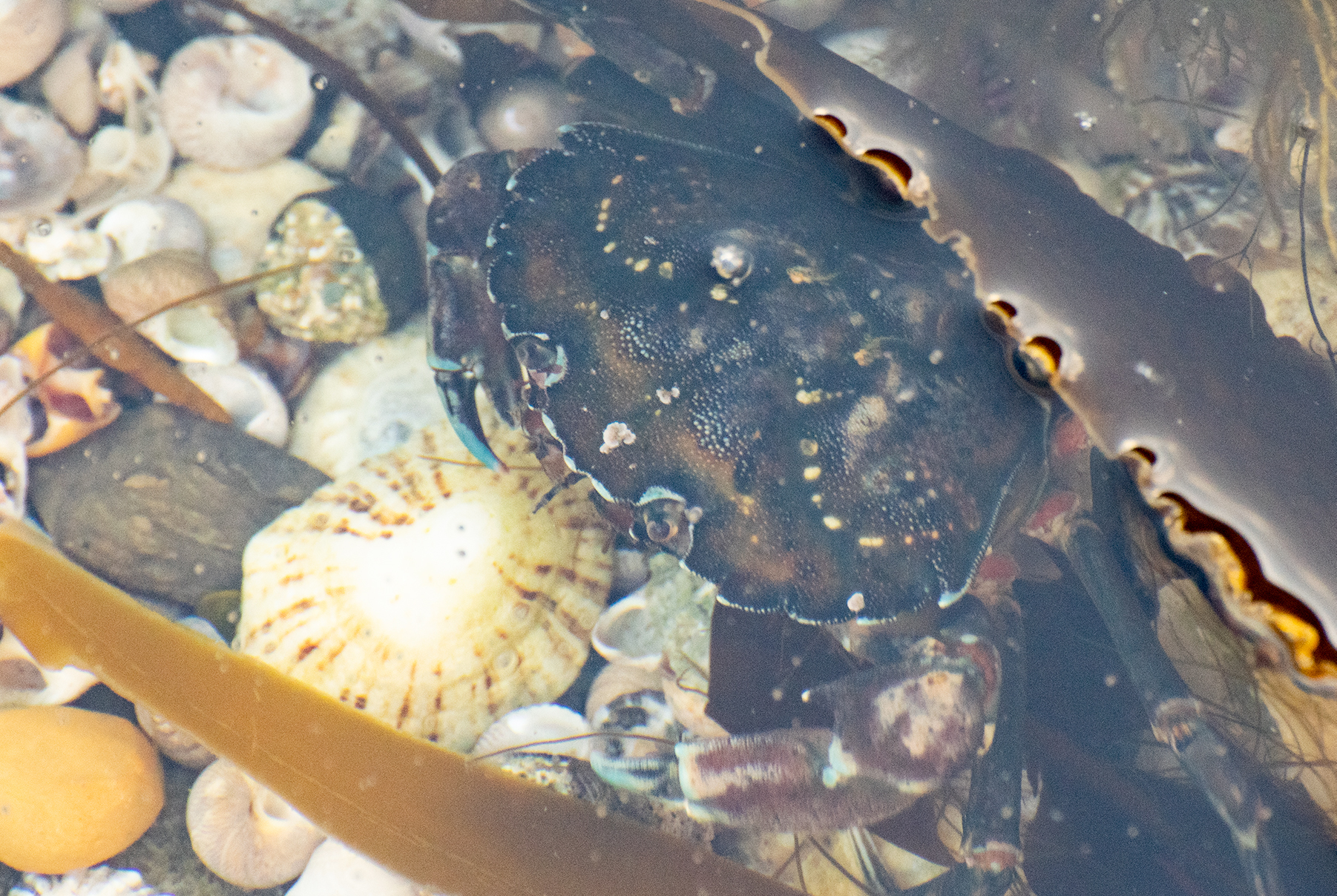

Speculations
Thinking out loud.
Short dictated pieces from the founder — hunches the projects are trying to test, or trying to kill. No claims, no citations.
-
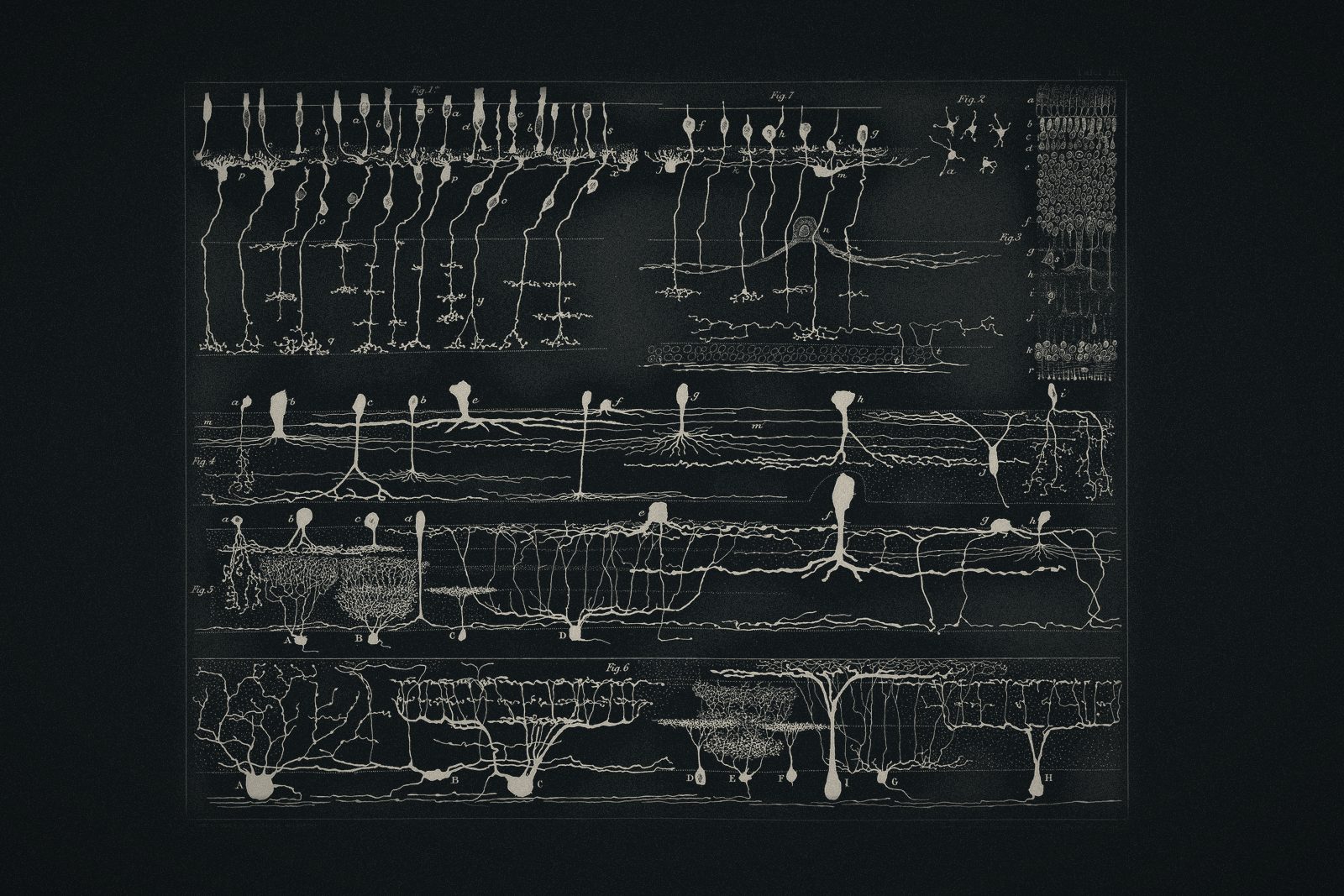 PolarizeOct 6, 2026
[SPEC]
What a neuron is waiting for
A neuron may be an entropy reader: habituating to chaos, phase-locking to uniformity, and responding to the breaks in between. The same thing may repeat at every scale up.
Keep reading →4 min read
PolarizeOct 6, 2026
[SPEC]
What a neuron is waiting for
A neuron may be an entropy reader: habituating to chaos, phase-locking to uniformity, and responding to the breaks in between. The same thing may repeat at every scale up.
Keep reading →4 min read
-
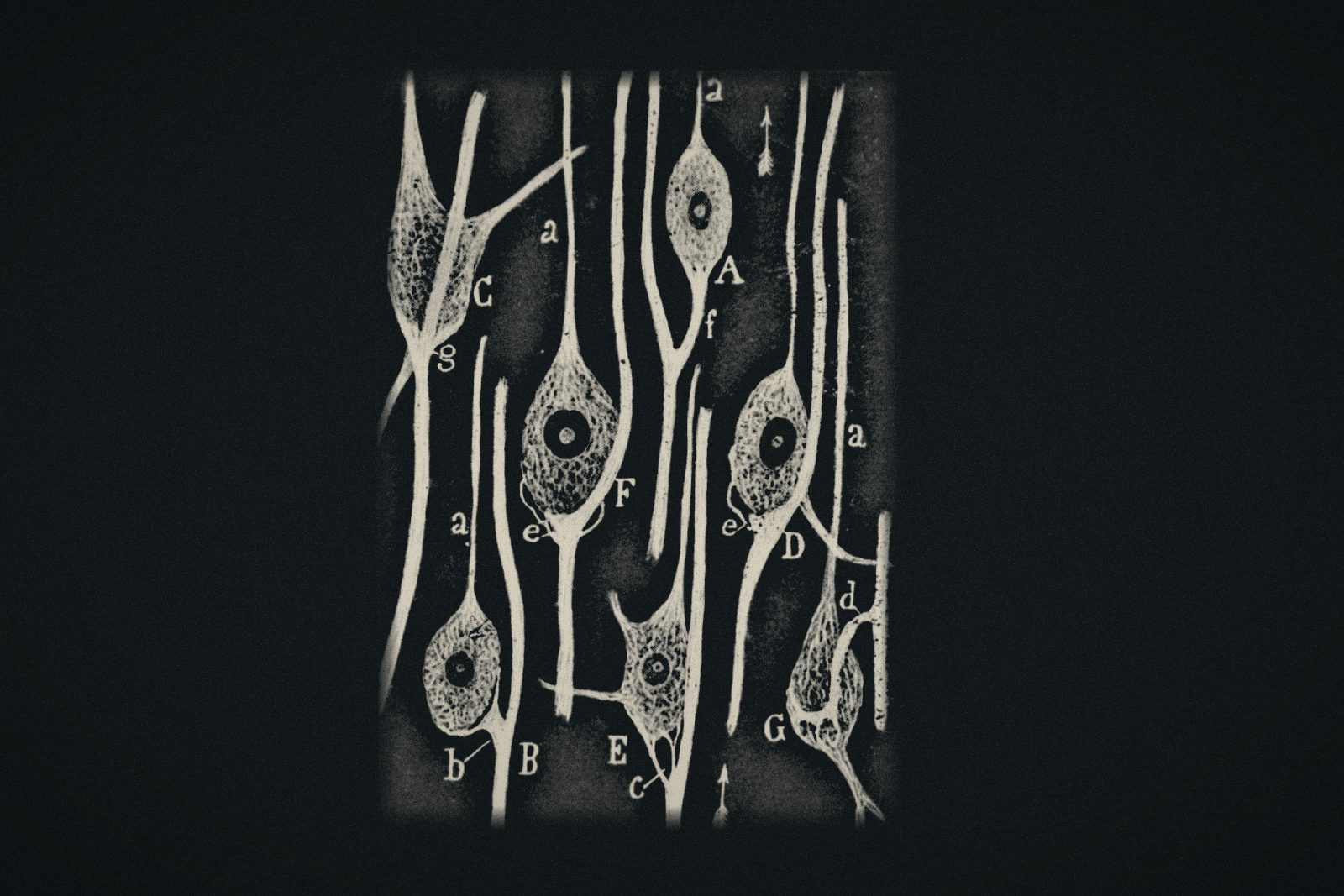 PolarizeSep 25, 2026
[SPEC]
Something has to glue this together
On polarity, the body's many fallback channels, and whether a cell can read where it sits and what it remembers from the fields around it.
Keep reading →4 min read
PolarizeSep 25, 2026
[SPEC]
Something has to glue this together
On polarity, the body's many fallback channels, and whether a cell can read where it sits and what it remembers from the fields around it.
Keep reading →4 min read
-
 PolarizeSep 25, 2026
[SPEC]
Every cell remembers, and knows where it sits
A hunch that habituation is how a single cell stores information, and that a network of cells, past some size, has no choice but to start talking.
Keep reading →3 min read
PolarizeSep 25, 2026
[SPEC]
Every cell remembers, and knows where it sits
A hunch that habituation is how a single cell stores information, and that a network of cells, past some size, has no choice but to start talking.
Keep reading →3 min read
Design system
Science is beautiful. Its web presence should be too.
The design system behind these pages, built for interfaces that show scientific data honestly. Every measured, modelled or speculative value carries a label, and the label can never be hidden.
- Charts
- A threshold is drawn on the axes it judges; a log axis says so in its label.
- Signals
- Heatmap and Waveform on a one-hue ramp, with clipping counted, not hidden.
- Evidence
- Tier, Value and Readout: measured and predicted are never styled alike.
An open question, being actively tried.
Kill condition written before the measurement.
A label may never be hidden. Its explanation must be.
Measured and predicted are never styled alike, and every badge ships a word and a glyph with its colour — so the distinction survives colour blindness, greyscale print and a skimming reader.
Read off the actual render or a real instrument.
Output of a model. Never styled like a measurement.
An open question being actively tried. Carries a how-to-kill-it.
A stated guess. Never evidence.
A claim this project explicitly does not make.